
OnlyFans Search: How to Find Creators and Content Using Search Tools and External Methods
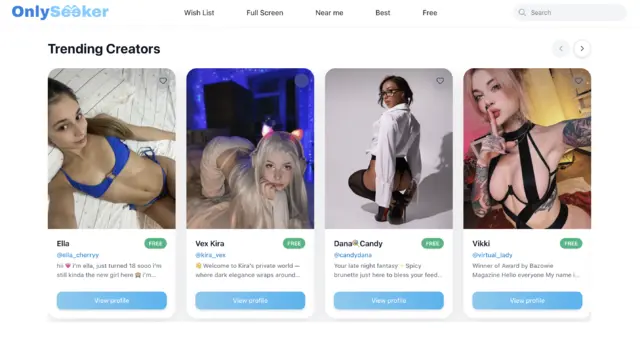
OnlyFans search presents structural limitations compared to mainstream social platforms. The platform does not provide a fully developed discovery system, which makes locating specific creators or content less direct. As a result, users rely on a combination of internal OnlyFans search, external search engines, and third-party tools to effectively perform an OnlyFans search. This article outlines the primary methods used to search OnlyFans accounts, focusing on accuracy, efficiency, and coverage.
1) Built-In OnlyFans Search Functionality
The native OnlyFans search feature allows users to locate accounts using usernames or basic keywords. This function operates within the platform and is suitable when the exact creator name is known.
How to use OnlyFans search internally:
- Username-based search
Enter the creator’s exact username into the search field to access their profile directly. - Keyword-based search
Use content-related keywords connected to the creator’s niche or branding. Results depend on how creators configure their profile metadata.
The internal OnlyFans search remains constrained due to the absence of advanced filters such as category, location, or popularity metrics. These constraints lead many users to supplement their search with external tools.
2) Third-Party OnlyFans Search Engines
External OnlyFans search engines index publicly available creator data and provide structured filtering options unavailable on the platform itself. These tools are commonly used to discover creators by niche, tags, or profile attributes.
Common capabilities of third-party OnlyFans search tools:
- Keyword and tag-based indexing
- Filtering by content category or niche
- Sorting by engagement indicators or pricing
- Aggregation of creator profiles in one interface
Third-party OnlyFans search engines function as discovery layers, reducing manual effort and expanding visibility beyond direct username searches.
3) Using Social Media as an OnlyFans Search Extension
Social platforms function as indirect OnlyFans search channels because creators actively distribute profile links outside the platform. Twitter, Instagram, and TikTok are primary sources for locating OnlyFans accounts.
Social-based OnlyFans search methods:
- Hashtag searches
Keywords such as #OnlyFans, #OnlyFansCreator, or niche-specific tags surface promotional posts that include profile links. - Profile link analysis
Creator bios often contain direct OnlyFans URLs or link aggregators that redirect to subscription pages. - Network-based discovery
Following creators within the same niche leads to cross-promotion and shared audiences.
Social media effectively compensates for the lack of an internal discovery ecosystem within OnlyFans search.
4) Paid Promotion and Featured Listings
Some creators use paid promotional services to increase profile exposure. These services place OnlyFans accounts in curated listings or promotional feeds, which can also serve as a discovery channel for users.
From a search perspective, promoted listings concentrate high-visibility profiles in one location, simplifying discovery for users seeking professionally marketed accounts.
5) Forums and Reddit as Community-Driven OnlyFans Search
Community platforms provide decentralized OnlyFans search functionality through user-generated recommendations and discussions.
Key characteristics:
- Public sharing of creator links
- Niche-focused discussion threads
- Categorized recommendations based on content type
Reddit, in particular, functions as a manual search index, where users locate creators through topic-based threads rather than algorithmic ranking.
6) Google as an External OnlyFans Search Tool
Search engines index OnlyFans profile pages and related content hosted on external sites. Google search allows users to locate creators by combining platform-specific keywords with names or niches.
Effective query formats:
- OnlyFans + username
- OnlyFans + niche keyword
- OnlyFans model + social handle
This method identifies profiles that may not surface through internal search due to metadata limitations.
Conclusion
OnlyFans search requires a multi-channel approach due to the platform’s limited native discovery system. Effective search strategies combine internal search, third-party OnlyFans search engines, social media analysis, community platforms, and traditional search engines.Using these methods together allows users to systematically locate creators, evaluate content niches, and navigate the platform with greater precision and control.


